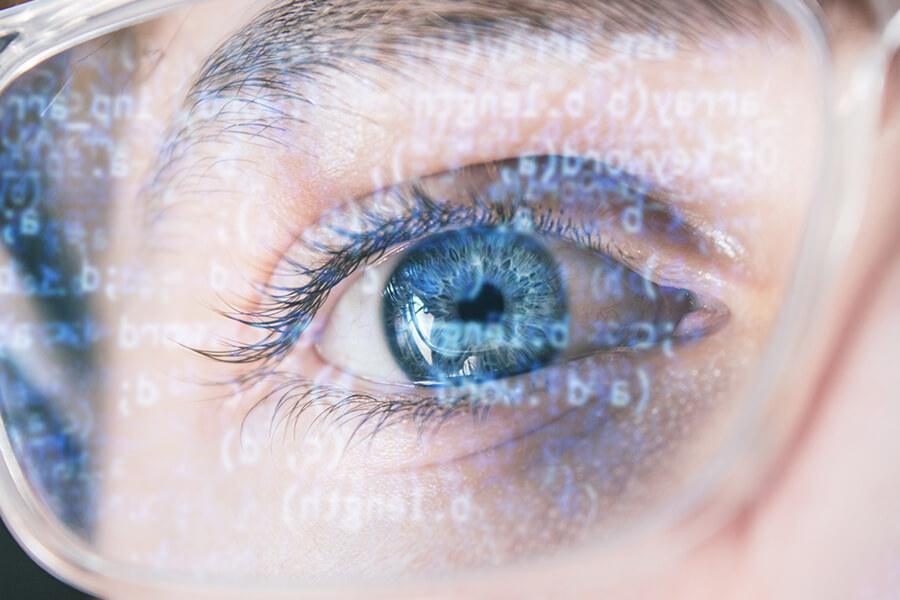
Eye Fatigue

Eye Fatigue: Why Your Eyes Feel Tired and How to Fix It

After a long day, it’s common to have heavy, sore, or simply exhausted eyes. Most people think this is a normal phenomenon related to fatigue, and that sleeping will make it go away. However, eye fatigue is a distinct condition with its own causes, and it’s only minimally related to general tiredness.

Unlike eye strain, which is almost always linked to a specific visual activity such as using a screen or reading, eye fatigue can be caused by a much wider range of factors, including sleep quality, hydration, environment, age, and underlying eye conditions. Understanding the true cause of your tired eyes is the first step toward real and lasting relief.

What Is Eye Fatigue?

Eye fatigue refers to a general sense of tiredness, heaviness, or reduced function in the eyes that is not necessarily tied to a single activity. It can appear gradually throughout the day, recur consistently at certain times, or persist even after rest. While it shares some similarities with eye strain, eye fatigue is broader; it reflects the eye’s overall workload and condition rather than the effort exerted during a specific task such as reading or using a screen.

In the UAE and Saudi Arabia, where long working hours, high screen exposure, air conditioning, and intense outdoor light are all part of daily life, eye fatigue has become an increasingly common complaint across all age groups.

Symptoms of Eye Fatigue

Eye fatigue can present in several ways, and the symptoms often build gradually rather than appearing suddenly:

  • A heavy, droopy, or sore feeling in or around the eyes
  • Eyes that feel dry, gritty, or irritated by the afternoon or evening
  • Difficulty keeping eyes fully open or focused on tasks
  • Increased blinking or rubbing of the eyes
  • Mild blurring that improves with rest
  • A general sense of visual exhaustion, separate from physical tiredness
  • Watery eyes, especially later in the day

If these symptoms are present every day or worsen over time, it is worth identifying the underlying cause rather than simply pushing through it.

What Causes Eye Fatigue?

Eye fatigue is rarely caused by just one factor. It is usually the result of several overlapping influences working together.

1. Poor Sleep Quality

The eyes, like every other part of the body, recover and repair during sleep. Insufficient or poor-quality sleep prevents the eyes from fully resting overnight, leading to a carried-over sense of tiredness the next day. In the Gulf region, where late working hours and social schedules often extend into the night, chronic sleep deprivation is a significant and frequently overlooked contributor to eye fatigue.

2. Dehydration

Eyes need adequate hydration to maintain a healthy tear film. In hot climates like those in GCC countries, combined with near-constant air conditioning inside buildings, the fluid loss in the eye is faster than you might think. Even mild dehydration can result in dry, tired eyes, even without any change in screen use or visual activity.

3. Air Conditioning and Indoor Air Quality

Air conditioning significantly reduces indoor humidity, which accelerates tear evaporation from the eye’s surface. Many residents of the Gulf move between intensely air-conditioned malls, offices, cars, and homes for most of the day, giving the eyes very little exposure to naturally humid air. This constant low-humidity environment is one of the most underrated causes of daily eye fatigue in the region.

4. Extended Visual Tasks Without Breaks

While this overlaps with eye strain, prolonged near-focus work, even non-digital tasks like reading, sewing, or detailed manual work, gradually fatigues the eye’s focusing muscles over the course of a day. The cumulative effect, hour after hour, often results in a feeling of generalized fatigue rather than the more acute discomfort usually associated with eye strain.

5. Uncorrected or Outdated Vision Prescription

When your prescription no longer matches your visual needs, your eyes must work significantly harder to compensate, even during simple, everyday tasks. This added effort builds fatigue throughout the day. Many people are unaware that their prescription has changed until they notice they feel persistently tired by early afternoon. Understanding how vision changes over time helps explain why even small prescription shifts can have a noticeable cumulative effect.

6. Ageing and Presbyopia

As the eye’s natural lens loses flexibility with age, typically beginning in the early-to-mid 40s, focusing on near objects requires increasingly more effort. This condition, known as presbyopia, is a major contributor to eye fatigue in adults, particularly for those who have not yet updated to a lens designed for their changing near-vision needs.

PRIVO’s progressive lens range is specifically designed to support the eyes through this natural transition, reducing the extra effort the eyes would otherwise need to exert.

7. Underlying Eye Conditions

In some cases, persistent eye fatigue can be a sign of an underlying issue such as dry eye syndrome, eye muscle imbalance, or an early vision problem that has not yet been diagnosed. If fatigue is severe, constant, or unresponsive to lifestyle changes, a comprehensive eye exam is the most reliable way to identify the true cause.

How to Relieve and Prevent Eye Fatigue

The good news is that most cases of eye fatigue respond well to a combination of simple lifestyle adjustments and the right visual support.

Prioritise Quality Sleep

Aim for consistent, sufficient sleep. Most adults need 7 to 9 hours per night. Reducing screen exposure in the hour before bed can also help, as blue light exposure in the evening may interfere with natural sleep patterns, compounding next-day fatigue.

Stay Hydrated Throughout the Day

Drink water consistently rather than only when thirsty, particularly during the hottest months in the Gulf when fluid loss is highest. Proper hydration directly supports healthy tear production.

Counter the Effects of Air Conditioning

Where possible, introduce a humidifier in spaces where you spend extended time, such as your office or bedroom. Taking short breaks outside air-conditioned environments, when weather allows, can also help restore natural moisture balance to the eyes.

Take Regular Visual Breaks

Even for non-screen tasks, build in short breaks every 30 to 45 minutes. Step away, look around the room or out a window, and allow your eyes to shift focus and rest briefly before returning to close work.

Update Your Prescription Regularly

If you have not had an eye exam in the past year, or if you have noticed any change in how your eyes feel by the end of the day, schedule a check-up. An accurate, up-to-date prescription is one of the most effective ways to reduce unnecessary visual effort and the fatigue that comes with it. Learn more about why regular eye exams matter for long-term eye comfort.

Choose Lenses Designed for Your Lifestyle

Generic lenses are not always suited to the specific demands of your daily routine. If you spend long hours at a desk, PRIVO’s Office Active occupational lens is designed to reduce the visual effort required for near and intermediate tasks. If you are over 40 and beginning to notice near-vision changes, a well-fitted progressive lens can significantly reduce the daily fatigue associated with constantly shifting focus.

Adding a quality anti-reflective coating can also reduce the amount of visual effort your eyes expend each day by minimising glare from both natural and artificial light sources.

When Eye Fatigue Signals Something More

While most eye fatigue is manageable with lifestyle changes, you should consult an eye care professional if:

  • Fatigue is constant, regardless of activity or rest
  • Symptoms are accompanied by pain, redness, or vision changes
  • Fatigue does not improve despite adequate sleep and hydration
  • You have not had a comprehensive eye exam in over a year

Conclusion

Eye fatigue is more than just a general feeling of tiredness; it is a specific physical response of one of the body’s most active organs, influenced by sleep, hydration, environment, age, and visual demands. In the UAE and Saudi Arabia, the combination of intense heat, constant air conditioning, and long working hours makes the eyes particularly vulnerable to this type of cumulative fatigue.

By addressing the true underlying causes rather than simply pushing through the discomfort, most people can experience significant, lasting relief. The right lenses, the right habits, and regular professional care make a meaningful difference to how your eyes feel every single day.

Feeling tired eyes by the end of every day?

Contact PRIVO to speak with our optical lens specialists, or explore our range of vision solutions designed to reduce daily visual fatigue and keep your eyes comfortable across the Gulf’s demanding environment.

No Comments

Post A Comment